Monaco Yacht Charter 2026: Motor Yacht vs. Superyacht — How to Choose, Budget, and Book the Right Vessel for a Riviera Escape
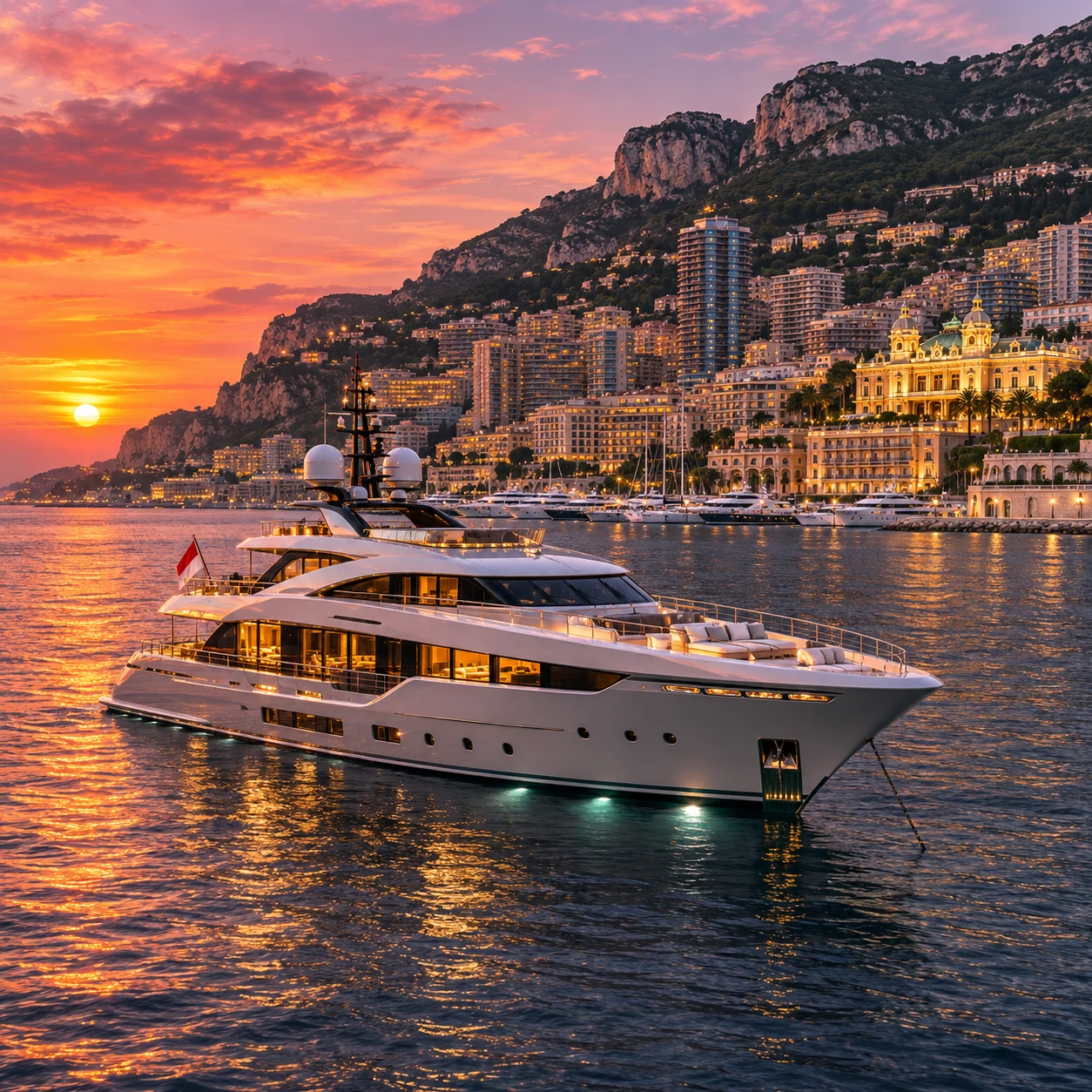
Every year I field the same question from American friends and readers: 'Do we go big, or keep things intimate?' They're talking about chartering on the French Riviera — and honestly, the answer has never been just about budget. Group size, travel style, how much formality you actually want on a holiday — all of it shapes the call. Here's how I'd think through a Monaco charter in 2026, from vessel types to real costs to getting the booking right.
What Makes Monaco the Ultimate Yachting Destination in 2026
Monaco is tiny. Like, absurdly small for a country. But it punches well above its weight as a yachting hub for the whole Mediterranean. Port Hercule is one of the most-photographed harbors on the planet, and you can step off a yacht and be inside a casino, a Michelin-starred dining room, or a beach club within minutes. Head west and Eze, Nice, Antibes, and Cannes are all comfortable cruising distance away. Portofino and the Ligurian coast sit within reach to the east.
The social calendar matters here too. The Monaco Grand Prix in late spring turns the harbor into a floating grandstand — the kind of spectacle you really do have to see once. September brings the Monaco Yacht Show, which pulls the biggest names in the industry right to the quay. A lot of Americans I talk to are eyeing shoulder-season windows in June and September: the water's warm, crowds thin out, and availability opens up slightly. Demand has kept climbing year after year, so getting your search started early isn't just advice — it's the difference between your first choice and whoever's left.
Motor Yacht vs. Superyacht — Understanding the Core Difference
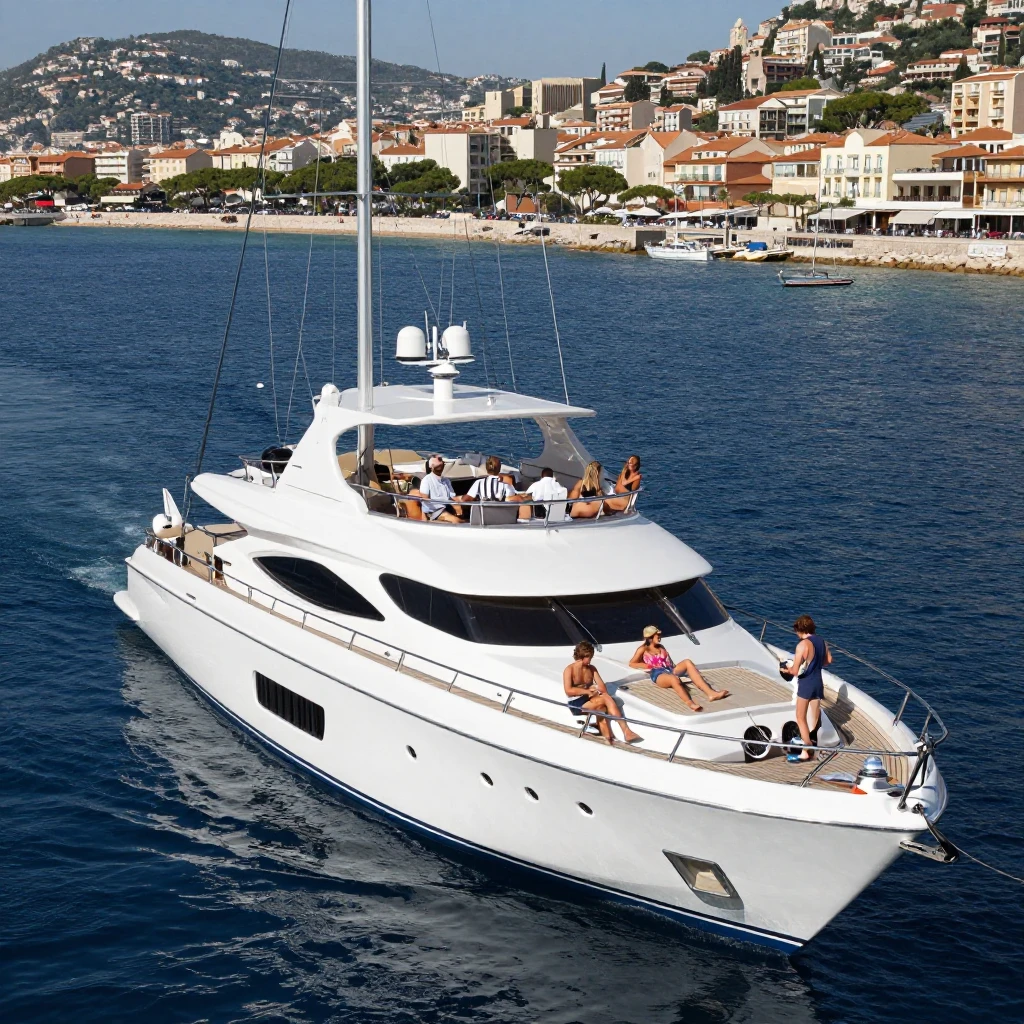
These terms get thrown around loosely, so let me cut through it. A motor yacht in charter terms typically runs between 40 and 80 feet. It's agile, easy to dock, and perfectly happy tucking into smaller coves that larger vessels simply can't reach. A superyacht generally starts around 80 to 100+ feet, carries a full professional crew, and offers amenities closer to a boutique hotel than anything you'd call a boat.
Neither is objectively 'better.' A motor yacht feels like a private escape — spontaneous, close-knit, flexible. A superyacht feels like a floating resort with a more deliberate, polished rhythm. The decision should really come down to how you want your days to feel, not what sounds more impressive at dinner.
Size, Range, and Onboard Amenities
On a motor yacht, expect two to four cabins, a comfortable salon, a sundeck, and a tender with a handful of water toys — paddleboards, maybe a small jet ski. Dining usually happens on an aft deck or in a compact salon. The whole thing feels social and close. That's a feature, not a limitation, if you're traveling with the right group.
Step up to a superyacht and the picture shifts considerably:
- Cabins: Five to ten or more, often including a full-beam master suite that genuinely rivals a hotel room.
- Toys and tenders: Multiple tenders, jet skis, seabobs, inflatable slides — and on the largest vessels, sometimes a submersible or helipad.
- Wellness: Gyms, spa rooms, hot tubs, and sometimes a full beach club that opens off the stern.
- Stabilization: Modern fin or zero-speed stabilizers that make overnight anchoring noticeably smoother — genuinely useful if anyone in your group is sensitive to motion.
Crew and Service Levels
Crew scales with the boat. A motor yacht might carry two to four: captain, deckhand, a chef or stewardess. A superyacht can run eight to twenty or more — dedicated chef, sous chef, multiple stewards, engineers, deck specialists. The whole operation.
What does that actually mean day-to-day? On a smaller yacht, the crew is part of the atmosphere. You'll chat with the captain about where to drop anchor for lunch. It's casual in a way some people love. On a superyacht, service is more choreographed — your glass gets refilled before you notice it's empty, and because there are more hands managing the details, privacy is easier to maintain. Some guests find that level of polish exactly what they wanted. Others find it more formal than they bargained for. Worth thinking about before you sign anything.
Budget Breakdown — What to Expect at Each Level in 2026
This is where American travelers are most often caught off guard. Weekly base rates in the Monaco market break down roughly like this:
- Motor yachts: Around $15,000 to $60,000 per week, depending on size, age, and season.
- Superyachts: Around $100,000 to $500,000+ per week, with the largest and newest vessels going well beyond that figure.
Those are just the base rates — the starting point. Most charters run on MYBA terms, which means the headline number doesn't cover everything. On top of it, you'll pay an APA (Advance Provisioning Allowance), typically 25 to 35 percent of the base rate. It's a pre-payment that covers fuel, food, drinks, dockage, and other running costs. At the end of the week the captain settles the accounts, and any unspent balance comes back to you.
Fuel is the biggest variable in that APA. A longer run like Monaco to Sardinia burns far more than a short coastal hop along the Riviera — so your route directly shapes your final bill. Port fees in busy harbors like Saint-Tropez at peak summer add up faster than most people expect. When you read the charter contract, look closely at what's included in the base rate, exactly how the APA is calculated, and what the cancellation terms look like.
Hidden Costs American Charterers Often Miss
- VAT: Depending on where the yacht is based and where you cruise, VAT may be added to the charter fee. Rates vary by country — ask your broker to spell out exactly how it applies to your specific itinerary.
- Gratuity: The customary tip is 10 to 15 percent of the base rate, handed to the captain to distribute among the crew. A lot of Americans forget to budget for it.
- Provisioning extras: Premium wines, rare spirits, and special requests all come out of the APA and can stretch it quickly if you're not watching.
- All-inclusive vs. standard terms: Some vessels offer all-inclusive pricing that bundles food, drinks, and fuel into one number. Easier to budget, but typically priced higher up front.
My rough rule of thumb: add 40 to 50 percent on top of the base rate to get a realistic total once APA, VAT, and gratuity are factored in. It's not a small number — but knowing it going in makes the whole experience cleaner.
Choosing the Right Vessel for Your Riviera Itinerary
Start with your group and your actual goals. Couples, families, or small friend groups who want flexibility, spontaneous swim stops, and a relaxed pace tend to do well on a motor yacht. You can duck into a small bay, change plans over breakfast, and dock closer to the action in town. If that sounds like your trip, browsing a motor yacht charter Monaco selection is a solid first step to see what's available in that size range.
Larger groups, corporate retreats, milestone celebrations — or anyone who genuinely values prestige and full-service luxury — will probably land in the superyacht tier. More cabins mean more privacy for everyone, and the onboard amenities keep a bigger crowd entertained across a full week. You can explore that category at https://monacoluxyachts.com/superyacht/ to get a feel for layouts, crew sizes, and what's actually onboard.
Sample Itineraries by Vessel Type
Motor yacht, 7 days on the Riviera:
- Day 1: Depart Monaco and cruise to Eze for a swim and a hilltop village visit.
- Day 2 to 3: Antibes, with time for the old town and the market.
- Day 4: Cannes for shopping, dinner, and the Croisette.
- Day 5: Île Sainte-Marguerite for quiet coves and snorkeling.
- Day 6: Saint-Tropez — a lively stop for beach clubs and people-watching.
- Day 7: A relaxed return to Monaco.
This route keeps legs short, which saves fuel and leaves real time ashore. A smaller yacht can also find berths that bigger vessels simply can't reach — that matters more than it sounds.
Superyacht, 7 days across the Ligurian and Sardinian coasts:
- Day 1: Monaco to Portofino, with an evening in the harbor.
- Day 2 to 3: Cinque Terre, using the tenders to reach the villages.
- Day 4 to 5: Overnight crossing to Porto Cervo in Sardinia, where the Costa Smeralda has some of the best beach clubs in the Med.
- Day 6: Bonifacio, Corsica, with its dramatic limestone cliffs.
- Day 7: Return to Monaco.
This itinerary covers real distance. That's where a larger, stabilized vessel with a full crew earns its keep — overnight passages are comfortable, and you wake up somewhere entirely new.
How to Book a Charter in Monaco — The 2026 Process
For peak season (June through September), I'd start the search six to twelve months out. The best vessels go early, and flexible dates widen your options considerably. Here's how the process typically unfolds:
- Define your priorities: Group size, dates, rough budget, and the kind of trip you're after.
- Contact a broker: A good one will ask plenty of questions before sending a shortlist — that's the sign you've found someone worth working with.
- Review options: Compare vessels, crew profiles, and itineraries, not just photos.
- Sign the contract: Most charters use the MYBA Yacht Charter Agreement, which covers payment schedules, cancellation terms, and responsibilities.
- Pay the deposit: Typically 50 percent to secure the booking, with the balance and APA due before departure.
When vetting a broker or listing, ask who owns the vessel, when it was last refitted, what the crew's experience looks like, and whether the photos actually reflect current condition. Also ask — directly — what is not included in the price. Working with a Monaco-based specialist helps here. Local knowledge about port permissions, berth availability, and crew reputations makes a tangible difference, especially during busy event weeks like the Grand Prix.
Best Practices for First-Time Charterers
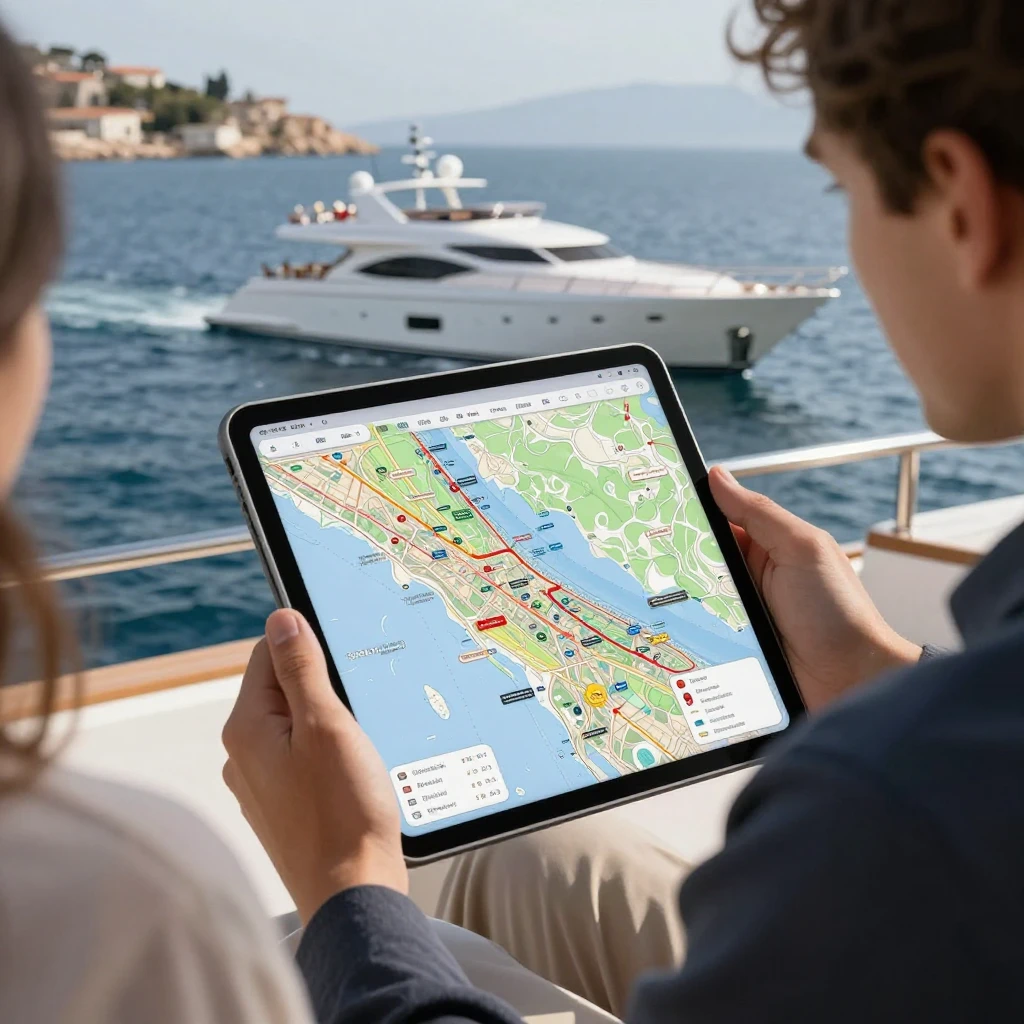
If this is your first European charter, a handful of habits will make the week go much more smoothly:
- Share dietary needs and activity preferences early. The chef plans menus around your preference sheet — be honest about allergies, favorite foods, and what you actually want to do each day.
- Fill out the preference sheet carefully. It covers everything from preferred wines to how you take your coffee. It sounds trivial; it isn't.
- Pack light. Soft-sided bags, swimwear, and a few casual evening outfits are genuinely enough. Most yachts supply towels, beach gear, and often robes.
- Tip in cash. Euros are easiest, and the gratuity is typically presented to the captain on the final day.
- Respect crew rest hours. The crew works long days. A bit of consideration goes a long way toward a great trip for everyone.
Final Thoughts — Making the Call in 2026
Motor yacht or superyacht isn't really a prestige question. It comes down to group size, trip style, and budget — in that order, honestly. A smaller group chasing spontaneity and quiet coves will usually be happier on a motor yacht. A larger party that wants space, full amenities, and polished service will find a superyacht worth every euro.
My advice: write down your actual priorities first, then match the vessel to the vision — not the other way around. And don't sit on it too long. Availability for 2026 tightens early, especially around the Grand Prix and the Monaco Yacht Show. The sooner you start the conversation, the more choices you'll have.


