Driving Lake Como in 2026: How US Travelers Choose Between a Convertible, a Sports Car, and a Full Luxury Rental
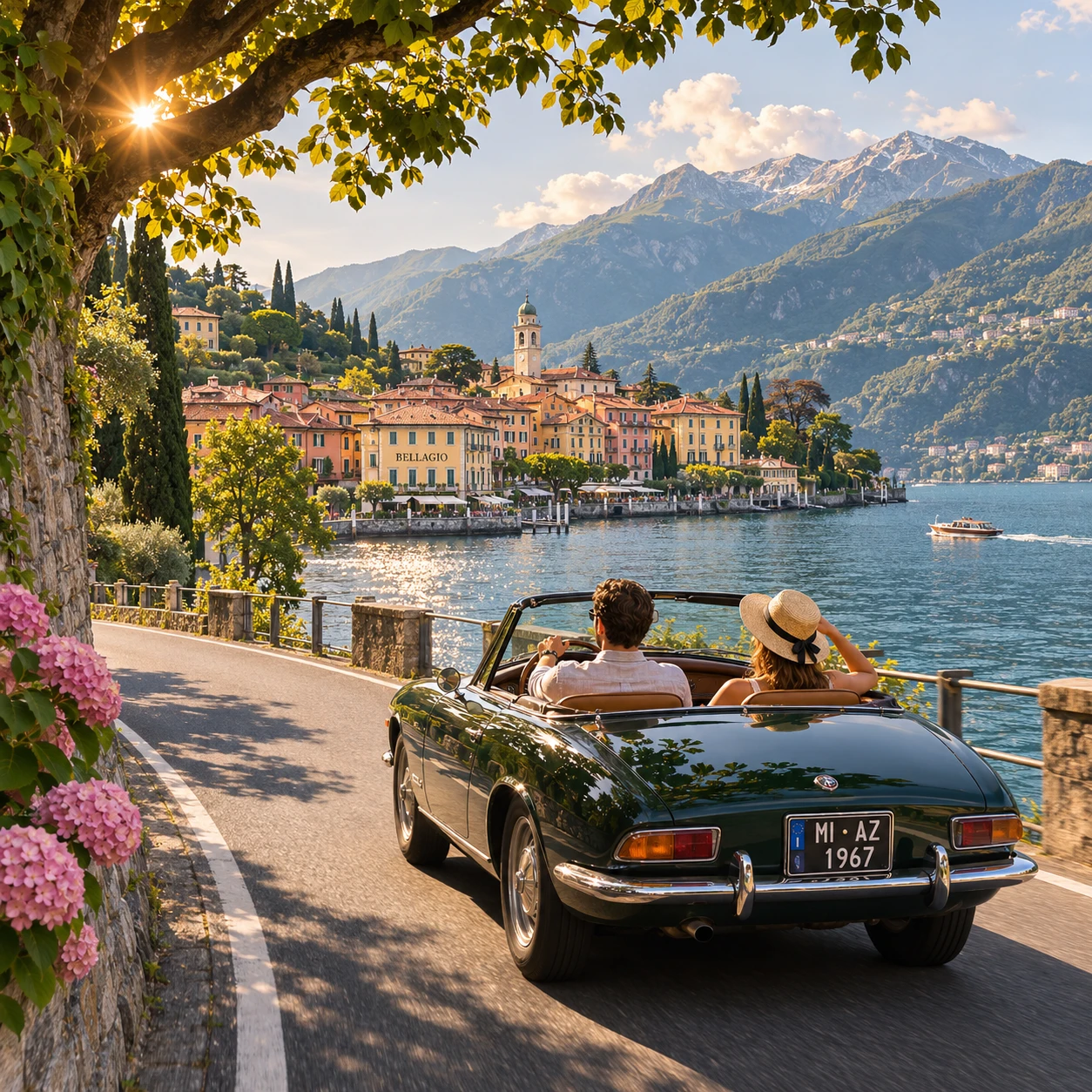
Somewhere past Argegno the roof comes down, and the lake starts doing that thing — flat silver on one side, deep green on the other — while the SS340 curls along the shore like whoever drew it had never once met a straight line. Then the hairpin above Bellagio opens up. You catch the whole basin in a single glance, and you get it. Why people build entire trips around one road.
Now the less romantic part. In 2026, US travelers landing at Lake Como are picking between three genuinely different rental categories, and the picking goes wrong constantly. Someone books the cheapest two-seater to save a few hundred dollars and finds out — usually at the counter — that a suitcase doesn't fit. Someone else takes a big sedan because it feels 'safe,' then spends four days threading it through alleys built for donkeys. Someone rents a stiff track car and learns on day one that Como's tarmac is not a circuit.
A wrong pick won't ruin your trip. It's still the regret I hear most often from people coming back from the lake. So this guide lines all three up — convertible, sports car, full luxury — against the roads you'll actually drive, the logistics nobody warns you about, and the trip you're actually taking.
Why Lake Como Rewards the Right Car (and Punishes the Wrong One)
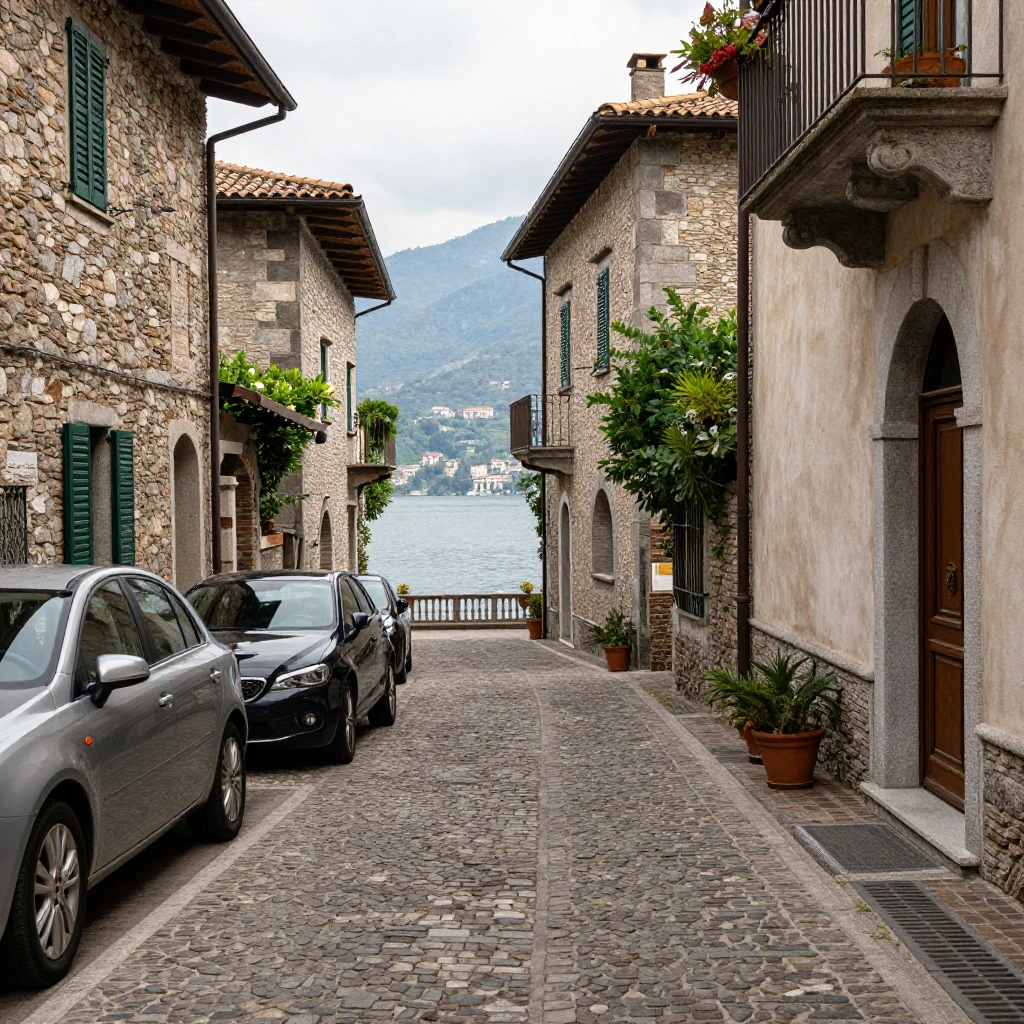
Como's driving environment is narrow, tight, and vertical. Lakeside roads squeeze between stone walls and water. In Bellagio, Varenna, and Menaggio, lanes shrink to a single car's width with roughly a mirror's clearance on either side. Above Menaggio the switchbacks climb fast and steep. Parking in the popular towns is scarce, paid, and often underground, with a ramp that punishes anything long.
Then there's the ferry system, which quietly changes what a car even means here. Drive around the lake, or load the car onto a boat and skip two hours of road. Both work. But a car you can't comfortably park, can't fit on a ferry ramp, and can't live with for six days stops being freedom and turns into a liability.
The tension is simple. The road wants engagement. The trip wants comfort. The car that gives you both is the one you pick on purpose.
The Roads You'll Actually Drive
SS340 Regina — the western shore run from Como up through Argegno to Menaggio. Constant direction changes, tight shoulders, plenty of oncoming traffic. Good visibility and precise steering matter here far more than horsepower.
The climb to Madonna del Ghisallo — the chapel and cycling museum above Magreglio. This is the enthusiast's stretch: tight, climbing hairpins with serious elevation gain. Body control and a responsive front end earn their keep. So does braking confidence on the way back down.
Menaggio–Porlezza — the road over toward Lugano. Quieter, faster in places, long sweepers through forest. This is where a stiffer car finally makes sense, and where a comfortable one turns into a nice afternoon.
The 2026 Practical Layer
A few season-specific things worth knowing before you book. Fleet availability in Como still tightens hard from late May through September, and the best-located pickup points go first. Parking in Bellagio and Como increasingly runs through mobile payment apps rather than coins at a meter. Insurance tiers and damage waiver structures differ meaningfully from US expectations, and rental agreements have gotten stricter about matching the name on your passport to the name on the contract.
None of it is complicated. All of it is easier handled before you land than at a counter after a nine-hour flight.
Before You Choose — What US Travelers Must Sort Out First
Work through this before you compare a single vehicle.
- License and IDP. Your US license plus an International Driving Permit. The IDP is cheap, quick, and Italy expects it.
- Name matching. Passport, license, rental agreement — identical. Middle names cause more counter delays than you'd think.
- Credit card. A real credit card in the primary driver's name, with a limit high enough to absorb the security deposit hold. Debit cards get refused more often than not.
- Insurance tiers. Italian coverage levels are not a 1:1 match with US 'full coverage.' Read what the basic tier actually excludes, then decide if the upgrade is worth it.
- Damage waivers. European excess structures often leave you on the hook for a deductible far higher than a US renter expects. Check whether glass, tires, and underbody are covered — on these roads, that matters.
- Transmission. Automatics exist, but they aren't the default. If you can't drive a manual, confirm the specific car, not just the category.
- Luggage, honestly. Two large suitcases do not fit in a two-seater. Full stop. That one fact eliminates more cars than anything else on this list.
The Convertible — When Open Air Is the Whole Point
I'll make the emotional case plainly, because it holds up. The Ghisallo climb with the roof down, trees closing overhead, the smell of hot stone and pine — that's not a transfer, that's the memory. Late afternoon on the western shore, when light comes across the water and everything turns amber for twenty minutes. A hardtop gives you a view of that. A convertible gives you the air the view is made of.
Now the honest trade-offs. Sun on a July afternoon is genuinely fatiguing, so you'll want sunscreen, a hat, and a plan to stop. Wind noise makes the highway stretch from Malpensa tedious with the top down — most people leave it up until they reach the lake, which is fine. Shoulder-season weather is a gamble, and cold rain at 1,200 meters is no fun in an open car. Boot space is small. Sometimes laughably so.
Where a convertible wins without argument: couples on a short trip, May through September, photography-minded travelers who want to stop constantly, and anyone who wants the drive itself to be the highlight. If open air is already non-negotiable for you, you can https://lakecomoluxurycarrental.com/convertible/ and reserve ahead of peak season instead of hoping something's left in July.
The Sports Car — Built for the Ghisallo Climb
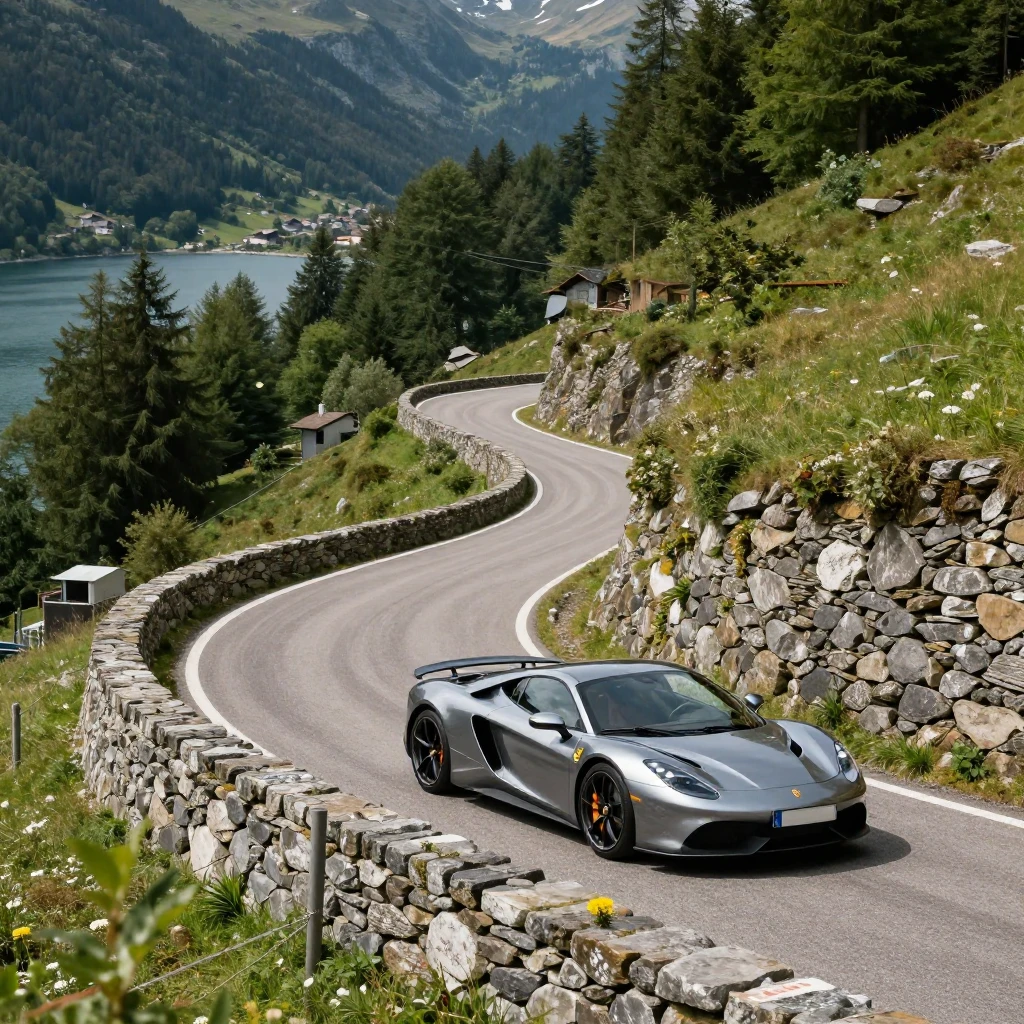
This is the enthusiast's answer, and on Como it's a legitimate one. Sharper steering, flatter body control through the switchbacks, a chassis that tells you what the front tires are doing — that's the difference between driving the road and being driven by it. In a good sports car, the road becomes the destination.
What actually matters on these roads, in order: forward and side visibility, ride compliance over patched and broken tarmac, ground clearance for ferry ramps and garage entries, and brake feel on long descents. Headline horsepower is close to irrelevant — you'll rarely get above third gear on the SS340. A stiff, track-focused setup is a genuine liability on cobbles and on the rippled surface of village streets. You'll feel every one of those for six days.
Transmission matters more in this category than anywhere else. Choosing a sports car for the engagement? A manual is the point. Choosing it for the look and you'd rather not think about a hill start above Menaggio? Confirm the automatic before you sign.
And if you're weighing 'fun' against 'practical' and can't tell which way you lean, browse the current sports cars for a lakeside drive before you commit. Availability and spec vary enough that seeing the actual fleet settles it faster than any comparison chart.
The Full Luxury Car — Comfort, Presence, and the Long Transfer
People dismiss this as the boring choice. Unfair. Think about the first hour of the trip: you land at Malpensa off a long flight, you've got two large suitcases plus a carry-on each, and an hour-plus drive sits between you and the villa. A large luxury sedan swallows the luggage, seats four adults properly, and delivers you calm instead of buzzed. That's not boring. That's good trip design.
For a multi-day itinerary with four adults, it's often the only sensible answer. Rear-seat comfort matters when you're covering the lake's full perimeter. Hotel driveways notice what you arrive in, whether or not you care about that — but presence is part of what people pay for on this kind of trip, and it's fine to admit it. There's a real argument that arriving relaxed beats arriving thrilled.
The honest counterpoint: a large sedan is more work in Bellagio's alleys and in tight underground garages. You'll park it more carefully and probably walk further. If your itinerary is town-heavy rather than road-heavy, that friction adds up over a week.
So treat it as a genuine alternative, not a fallback. Weighing comfort against engagement? Compare the full luxury car rental range side by side with the other two categories — the decision usually gets obvious once you see what each one actually gives you.
A Decision Framework — Matching the Car to the Trip
Skip the spec sheets. Match the traveler to the category.
- The couple on a four-day anniversary trip. Convertible. Reason: the drive is the experience, luggage is manageable, and the photos will outlast everything else.
- Two friends on a photography circuit. Convertible, with a hardtop or a luxury car as backup in shoulder season. Reason: you'll stop forty times and want quick access to open air and light.
- A family of four with luggage and a villa booking. Full luxury. Reason: four adults, real bags, and a transfer that needs to end calmly.
- The solo enthusiast with one clear goal. Sports car. Reason: you're here for the Ghisallo climb, and nothing else fits the brief.
Questions to Ask Before You Confirm
- How many bags? More than two large cases — go luxury.
- How many days? Three or four days, convertible. A week or more with four people, luxury.
- Ferry-dependent itinerary? Then you want easy ramp clearance and confident parking — usually luxury or a compliant sports car, not the lowest, stiffest thing on the lot.
- Parking at your hotel? Tight garage or street-only? A smaller footprint helps; a large sedan gets old fast.
- Will you drive after dark? Often, and you'll value good headlights and low fatigue — luxury or a well-sorted convertible over a stiff sports car.
Driving Notes for 2026: Routes, Timing, and Etiquette
Best months. Late April through June, and September into early October. Warm enough for open air, quiet enough to enjoy the road.
August. Skip it if you have flexibility. Traffic around Bellagio and weekend ferry queues become the whole story of the day.
ZTLs. Lakeside towns have limited-traffic zones, and cameras enforce them. Park outside the center and walk in. The signs are small; assume any historic core is restricted until proven otherwise.
Parking. Bellagio has paid lots on the edges — use them and walk. Como has larger garages near the waterfront and the funicular. Book hotel parking in advance when it's offered; it's often the difference between a relaxed arrival and circling for forty minutes.
Fuel and tolls. Fill up before climbing to Ghisallo or heading over to Porlezza — stations thin out fast above the lake. Autostrada tolls take cards and cash; keep some coins for the smaller machines.
Narrow-road courtesy. Meet someone on a single-width stretch and whoever has the easier reverse backs up. A brief wave costs nothing. Don't stop mid-hairpin for a photo — pull fully off, or better, use a designated viewpoint.
Frequently Asked Questions
Can I drive a rental car onto the Lake Como ferries? Yes. Cars cross between the main shore points, and you pay at the dock. Arrive early on weekends and in summer, and expect a tight ramp — low-slung cars need care.
Do I need an International Driving Permit as a US citizen? Yes. Bring your state license plus an IDP. It's inexpensive and takes minutes to obtain through AAA before you travel.
Is a convertible practical in October? Some days, yes — the lake often holds beautiful clear weather into mid-October. But it's a gamble, and you'll spend real time with the roof up. If open air is the point of the trip, book May to September.
How far ahead should I book in peak season? Two to three months minimum for summer, earlier if you want a specific model rather than a category. Convertibles go first.
What if the car doesn't fit the hotel's parking? Ask the hotel for the garage's height and width limits before you book, and keep a nearby public garage as backup. Five-minute email. Saves an hour of stress.
Back to That Hairpin
The point was never which car is objectively best. It's that Como rewards a car chosen for the trip you're actually taking.
Take the convertible if open air is the reason you came, the weather is on your side, and your luggage fits. Take the sports car if the Ghisallo climb is the headline and you want the road to talk back. Take the full luxury car if you're traveling with people and bags and you'd rather arrive composed than exhilarated.
All three belong on this lake. What doesn't belong is picking one for the wrong reason — cost, ego, or a suitcase you forgot to measure.
The 2026 high season will fill, and the good cars go first. Sort the checklist, decide what kind of trip you're taking, and reserve before the calendar forces your hand. Then all that's left is the drive.


